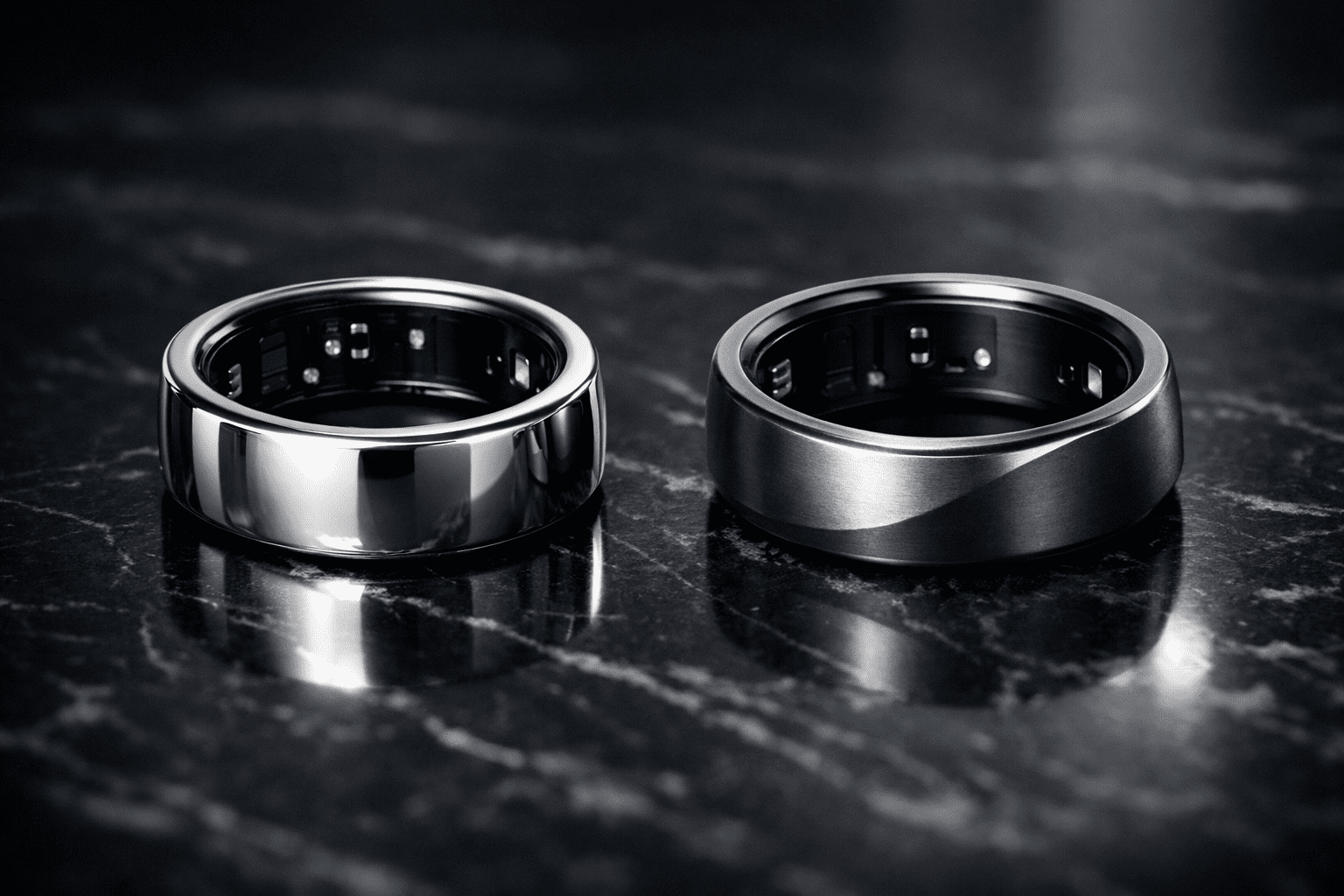
Smart rings have gone from niche biohacking gadgets to mainstream wellness wearables. In 2026, more users want health tracking without the bulk of a smartwatch, and that is exactly why premium smart rings are attracting so much attention. Two names dominate the conversation: Oura Ring 4 and the much-discussed Samsung Galaxy Ring 2.
But which one is actually better?
The honest answer is this: Oura Ring 4 is still the safer choice for most people who care deeply about sleep tracking, recovery, and long-term wellness insights. Samsung’s Galaxy Ring line remains highly appealing for Android users, especially those already inside the Samsung ecosystem, but Oura still leads when it comes to sleep analytics, readiness data, and overall health interpretation.
If you are shopping right now, do not base your decision only on rumors. Oura Ring 4 is the safer pick if you want a mature product with strong sleep insights and a polished app experience today. If you are specifically waiting for a “Galaxy Ring 2,” verify official availability, confirmed features, and regional support before making a buying decision.
Quick Verdict
- Choose Oura Ring 4 if your priorities are sleep tracking, readiness, recovery, and refined long-term health insights.
- Choose Samsung Galaxy Ring if you already use Samsung devices, prefer Samsung Health, and want a more ecosystem-friendly option.
- Wait for Galaxy Ring 2 only if you are comfortable delaying your purchase for possible next-gen upgrades that are not yet fully established.
For most buyers in 2026, Oura Ring 4 remains the easier recommendation. But Samsung still makes sense for the right kind of user.
Comparison Table: Oura Ring 4 vs. Samsung Galaxy Ring 2
| Category | Oura Ring 4 | Samsung Galaxy Ring 2 / Galaxy Ring Line | Winner |
|---|---|---|---|
| Sleep tracking | Excellent sleep scoring, detailed recovery context, and long-term sleep trend analysis. | Good sleep tracking inside Samsung Health, but generally less trusted for depth than Oura. | ✅ Oura |
| Recovery insights | Readiness and recovery are central to the user experience. | Useful wellness insights, but usually more ecosystem-driven than athlete-focused. | ✅ Oura |
| Subscription value | Advanced analytics are strong, but the subscription may annoy some users. | Usually more attractive to buyers who want fewer recurring costs. | ⭐ Samsung |
| Android ecosystem fit | Works well, but does not feel as native for Samsung-first users. | Best fit for Samsung phone users and Samsung Health fans. | ⭐ Samsung |
| iPhone friendliness | More platform-neutral and easier to recommend broadly. | Less compelling outside the Samsung ecosystem. | ✅ Oura |
| Comfort for sleep | Very strong for overnight wear and 24/7 comfort. | Also comfortable, but sizing accuracy matters a lot. | 🤝 Tie |
| App maturity | More polished, more insight-rich, and more established. | Improving, but still more ecosystem-convenient than analytics-leading. | ✅ Oura |
| Best for | Sleep, stress, readiness, and recovery-focused users. | Samsung users who want simplicity and ecosystem integration. | Depends on user |
Design and Comfort
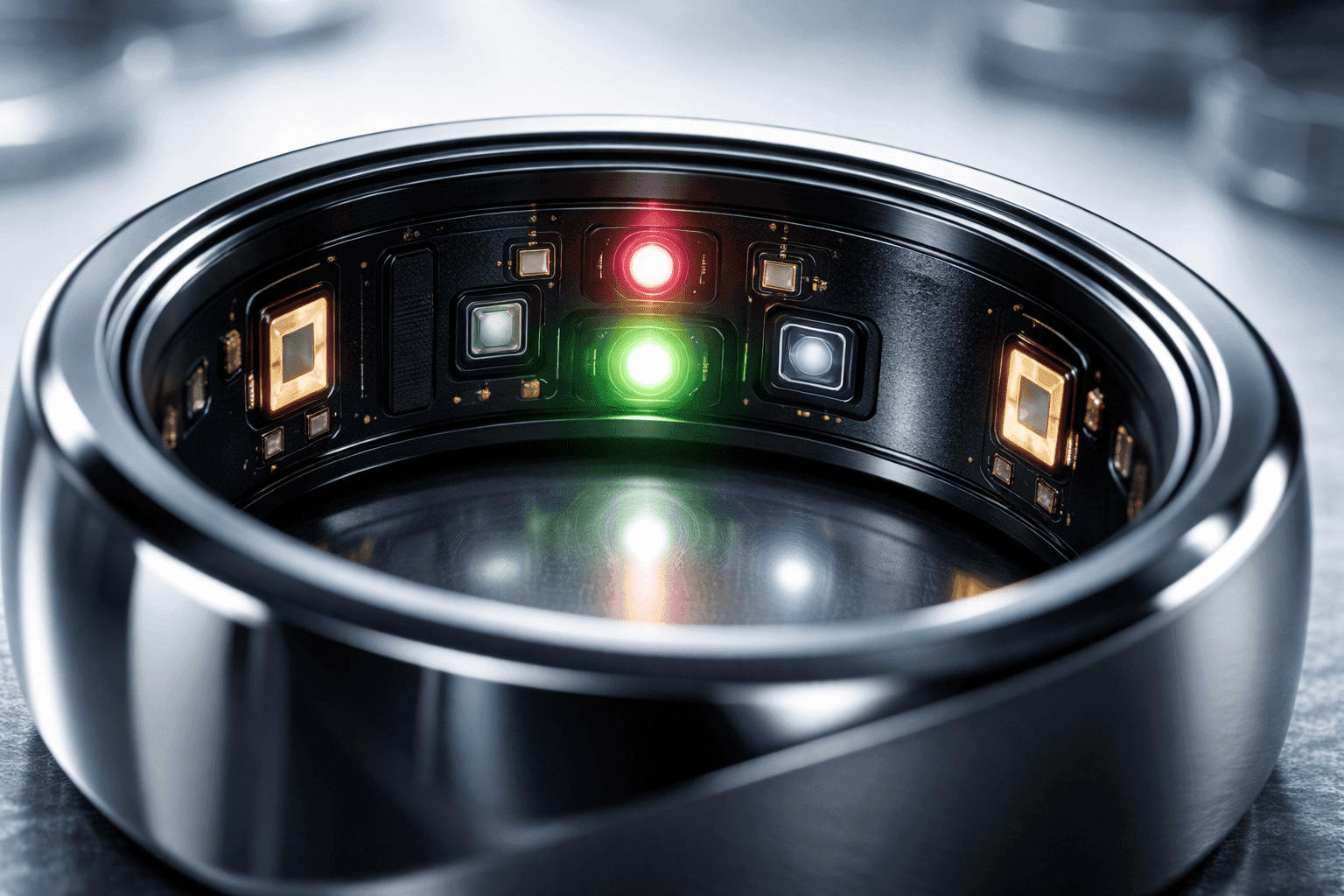
The first battle between any two smart rings is not software. It is comfort. A ring is less forgiving than a watch because it sits in one place all day and all night. You feel it while typing, sleeping, lifting weights, carrying groceries, or even gripping a steering wheel for long periods.
That is where Oura Ring 4 has a real advantage in buyer perception. It feels like a device built around 24/7 wearability. Oura has spent years refining the balance between sensors, comfort, materials, and battery efficiency. The result is a ring that feels more like a wellness accessory than a tech product trying too hard to look futuristic.
Samsung’s smart ring design language is also attractive, especially if you prefer a sleek, modern look and already use Galaxy devices. In that sense, Samsung’s biggest strength is not necessarily better comfort, but stronger ecosystem harmony.
Always size a smart ring for overnight comfort, not just daytime fit. A ring that feels perfect in the afternoon can become tight during sleep due to temperature changes, hydration, and natural finger swelling.
Sleep Tracking: Where Oura Still Leads
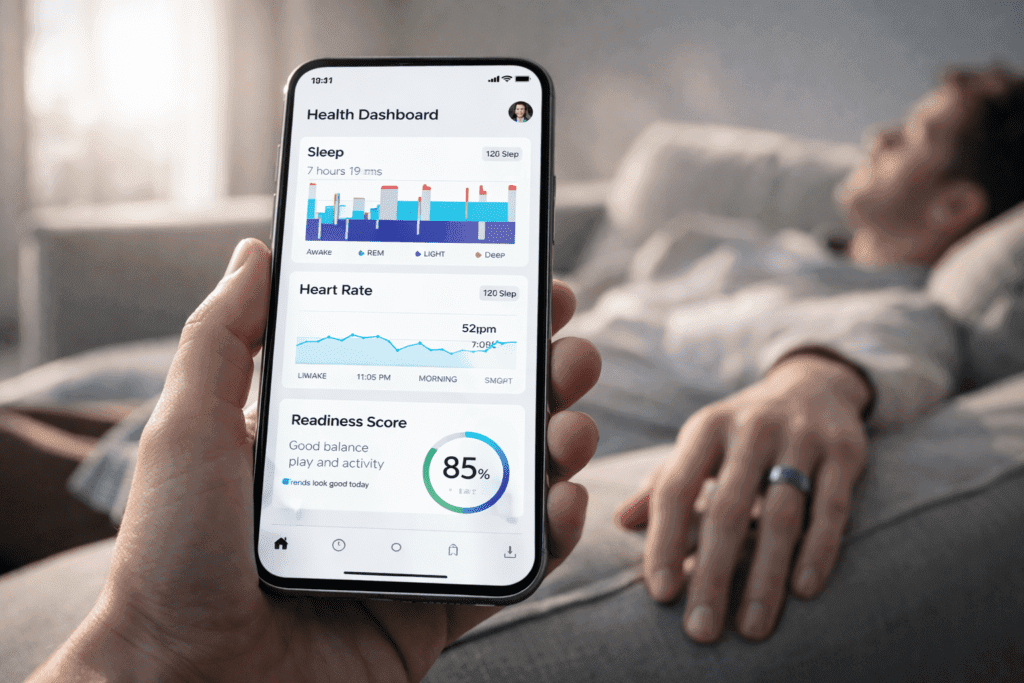
If your main reason for buying a smart ring is better sleep awareness, Oura Ring 4 is still the ring most people should start with. It does not just tell you how long you slept. It tries to show how your sleep quality connects to recovery, stress, body signals, and readiness for the next day.
That is the real difference. Raw data is easy. Meaningful interpretation is much harder.
As we discussed in our Ultimate Guide to 2026 Sleep Trackers, rings offer a level of comfort that watches simply can’t match.
Many devices can estimate sleep stages, sleep duration, and resting heart rate. Oura’s strength is how it packages that information into something useful. Did your heart rate settle later than usual? Was your sleep fragmented? Did your body seem stressed overnight? Oura turns those signals into practical, behavior-focused insight.
Samsung’s sleep tracking is still valuable, especially for casual users who want a simpler experience inside Samsung Health. But when people compare smart rings specifically for sleep, Oura usually wins because the platform feels more refined, more sleep-centric, and more trustworthy for long-term analysis.
No smart ring should be treated as a medical device. These wearables are useful for trends, habits, and wellness feedback, but they are not substitutes for professional diagnosis of sleep apnea, arrhythmia, chronic fatigue, or other health conditions.
Recovery and Readiness
This is where the difference becomes philosophical. Oura is built around the idea that your body is constantly signaling whether it is ready, stressed, strained, or recovering. That is why so many users love the readiness score concept. It makes wearable data feel relevant to everyday life.
Samsung’s broader wearable philosophy tends to feel more ecosystem-driven. That can actually be a strength if you already use Samsung Health daily, but it usually does not feel as purpose-built for recovery analysis as Oura does.
For people focused on better habits, reduced burnout, improved sleep routine, and long-term wellness awareness, Oura remains the stronger recommendation.
Subscription Costs and Long-Term Value
This is one of the most important buying factors because smart ring cost is not just the purchase price. It is also the total cost of ownership.
Oura’s biggest weakness is obvious: the subscription. Some people are happy to pay for strong analytics and a premium app experience. Others immediately lose interest once recurring cost enters the conversation.
Samsung becomes more appealing for users who want to avoid that monthly commitment. Even if the ring itself costs a similar amount upfront, buyers often feel better when they are not tied to a recurring fee.
Before buying any smart ring, calculate the 12-month and 24-month cost, not just the retail price. A wearable with a lower monthly burden can feel like the better value even when its hardware features are slightly weaker.
Battery Life and Everyday Convenience
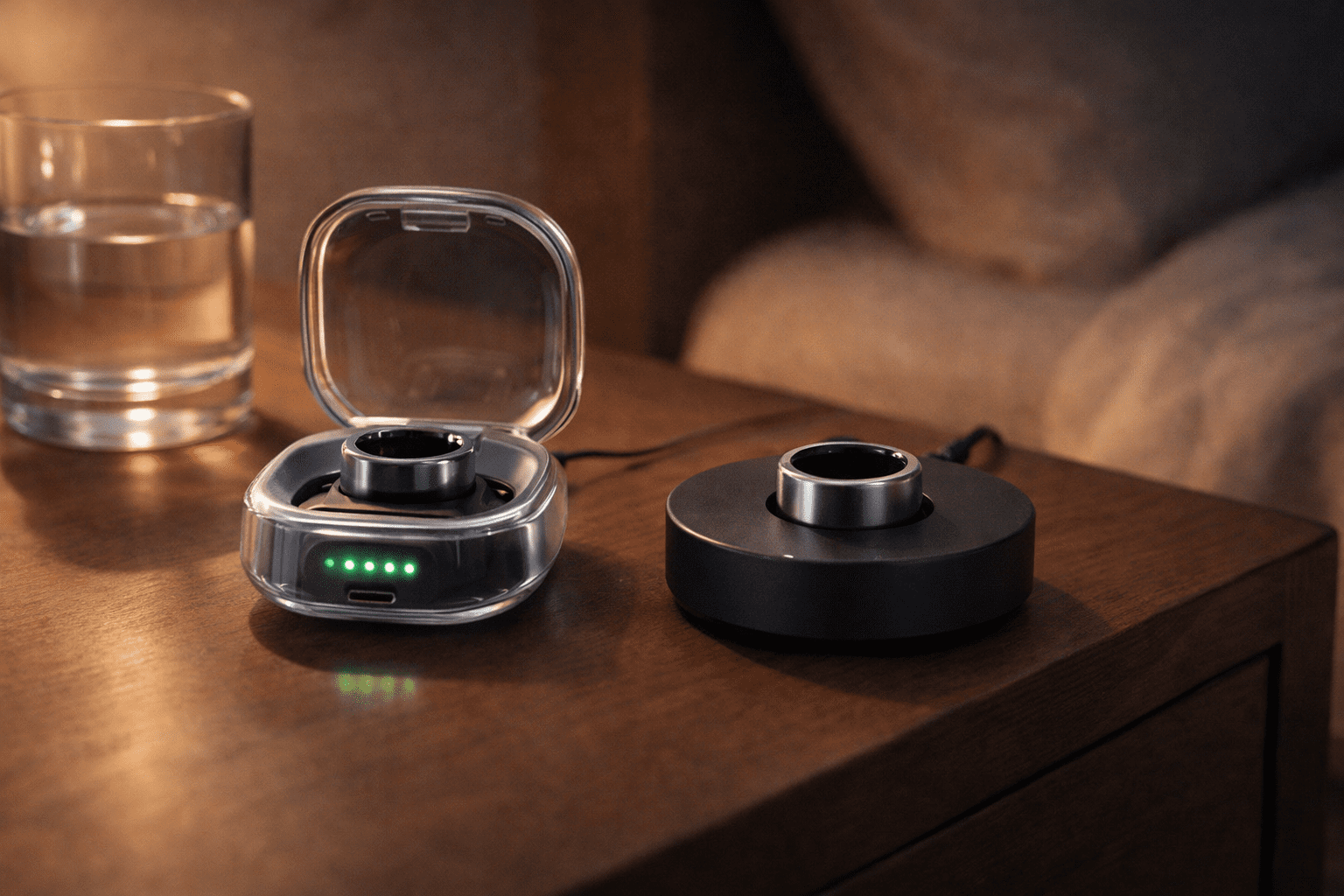
Battery life matters because consistency matters. A ring only becomes useful when you wear it long enough to build meaningful trends. Oura Ring 4 does well here because it is optimized around passive, always-on wellness tracking. Samsung’s ring platform is also attractive in this category, especially if you value convenience inside a broader Galaxy workflow.
But paper specs are only part of the story. Charging convenience, habit formation, and daily comfort matter just as much as advertised battery numbers.
Who Should Buy Oura Ring 4?
- People who care most about sleep quality and recovery
- Users who want deep wellness insights, not just raw numbers
- Buyers who value a polished, mature app experience
- People comfortable paying for premium software features
Who Should Buy Samsung Galaxy Ring?
- Samsung phone users who want better ecosystem fit
- People who dislike subscriptions
- Users who prefer Samsung Health as their main wellness hub
- Buyers who value convenience and familiarity over maximum analytics depth
Final Verdict
In 2026, Oura Ring 4 is still the better smart ring for most people, especially if your main goals are sleep tracking, readiness, and long-term wellness insights. Samsung remains a compelling alternative for Galaxy users, but Oura is still the easier all-around recommendation if you want the strongest sleep-focused experience available today.
If you want the short version:
- Best overall: Oura Ring 4
- Best for Samsung users: Samsung Galaxy Ring
- Best for sleep tracking: Oura Ring 4
- Best for avoiding subscription fatigue: Samsung Galaxy Ring