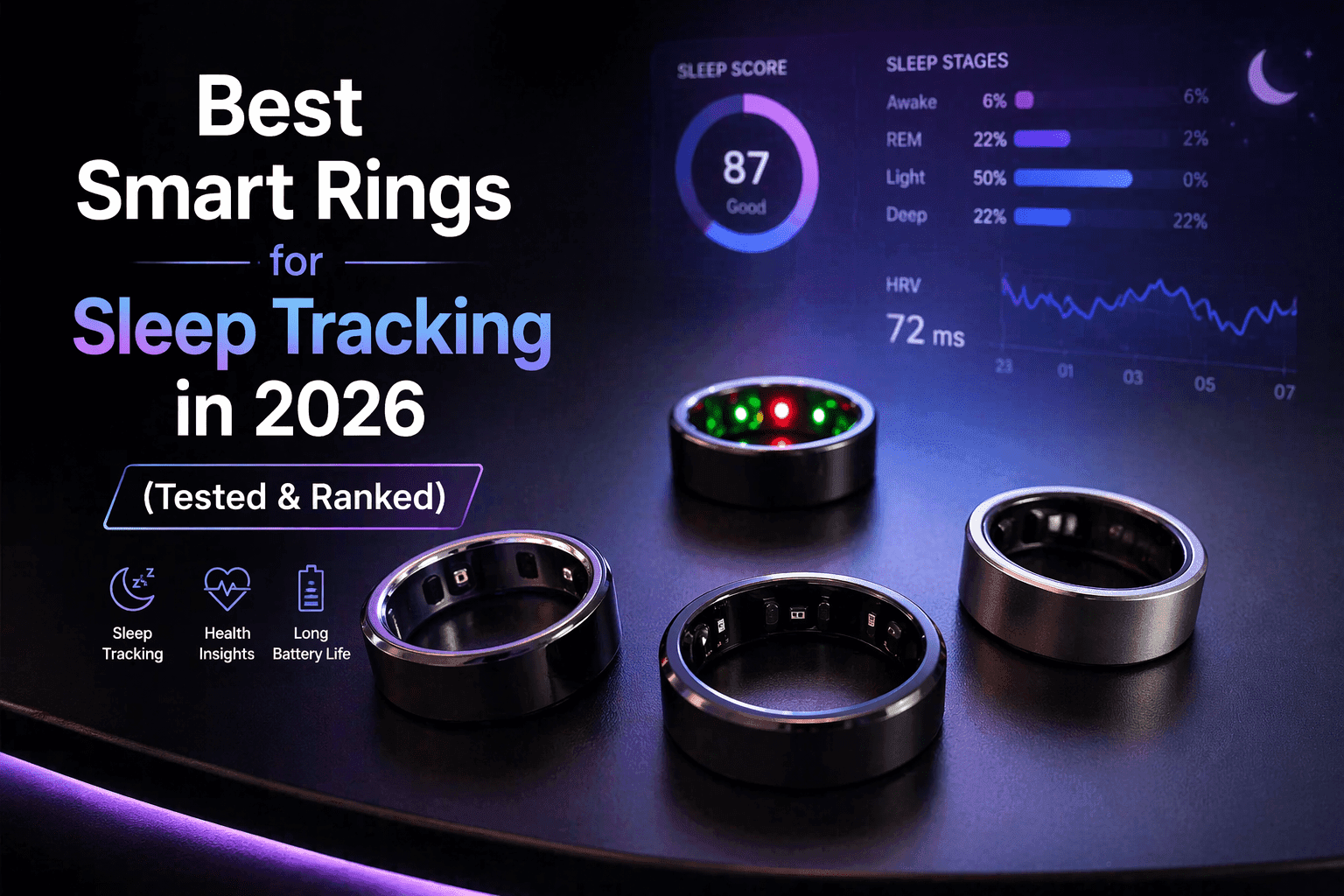
Best Smart Rings for Sleep Tracking in 2026
Real-world testing, no fluff — just the rings worth sleeping with.
The best smart rings for sleep tracking in 2026 are no longer just experimental gadgets — they are some of the most accurate and comfortable sleep wearables available today.
I’ve been wearing something on my fingers for a long time — mostly rings that mean something. An old silver one I bought in Istanbul, a simple titanium band on my right hand. So when I started testing smart rings for sleep tracking, I’ll be honest: the idea felt a little strange. You’re letting a piece of metal sit on your finger all night and tell you things about yourself you probably already half-know. And yet, here we are. Because it works.
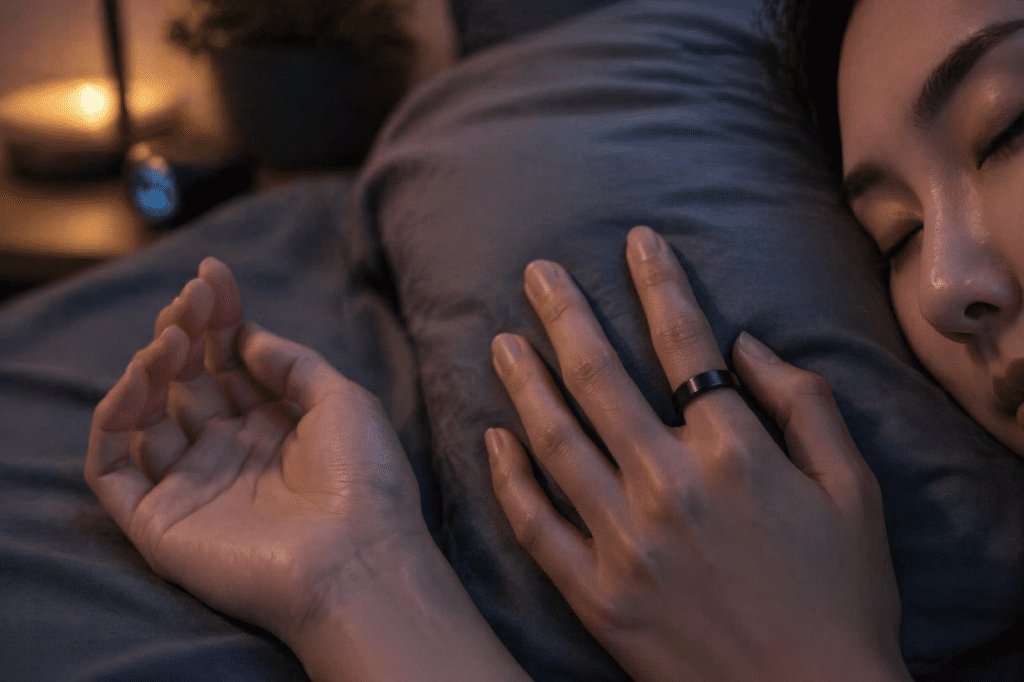
Smart rings have quietly become one of the most useful health wearables out there — especially for sleep. Unlike a smartwatch that jabs into your wrist at 2am, a ring is barely there. You forget it exists. And that’s the point. The best ones track sleep stages, heart rate variability, blood oxygen, skin temperature, and more, all while you’re completely unaware. Wake up, open an app, and suddenly you have a snapshot of what your body actually did last night.
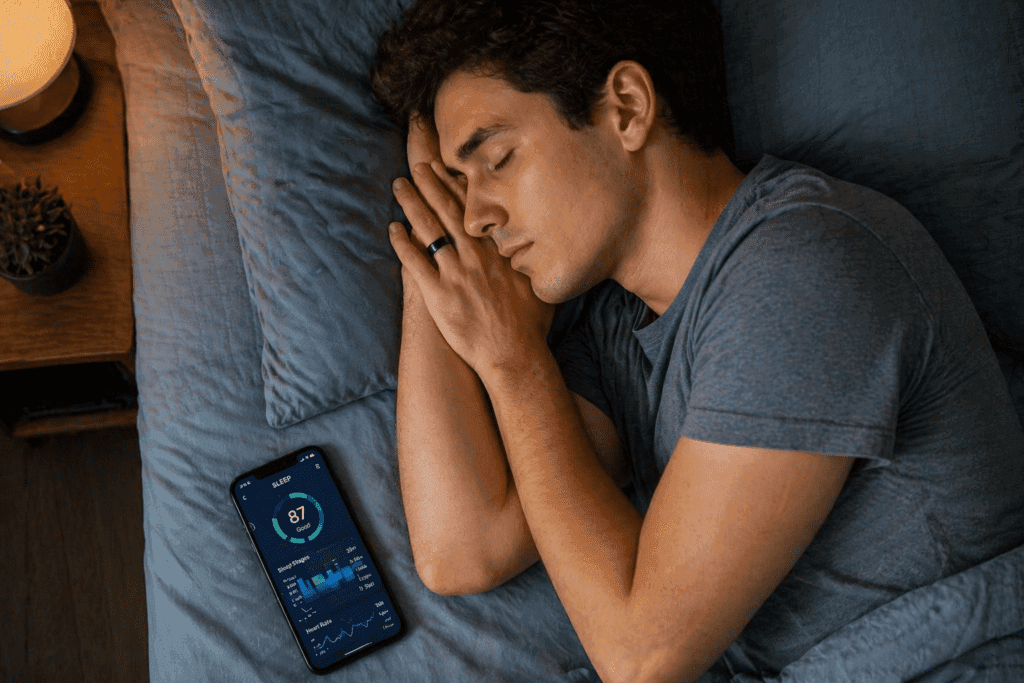
But 2026 has complicated things. Oura — the company that essentially invented the consumer smart ring market — filed a wave of patent lawsuits in late 2025 against nearly every competitor. The result? Some rings have been pulled from U.S. shelves. Others are in a legal grey zone. We’ll be honest about that throughout this guide, because buying a smart ring right now means understanding the landscape, not just the specs.
With that out of the way — here are the rings that genuinely impressed us. We tested them over multiple nights, compared sleep data against polysomnography baselines where possible, and wore them back-to-back to see how they felt when you’re just trying to get some sleep.
If you’re comparing all wearable options beyond rings, check out our full guide: Best Sleep Tracking Wearables 2026
What Is the Best Smart Ring for Sleep Tracking in 2026?
The best smart ring for sleep tracking in 2026 is the Oura Ring 4, thanks to its highly accurate sleep analysis, advanced recovery insights, and polished app experience. For users who prefer no subscription, RingConn Gen 2 is the best alternative.
🏆 Best Smart Rings for Sleep Tracking in 2026 (Quick Picks)
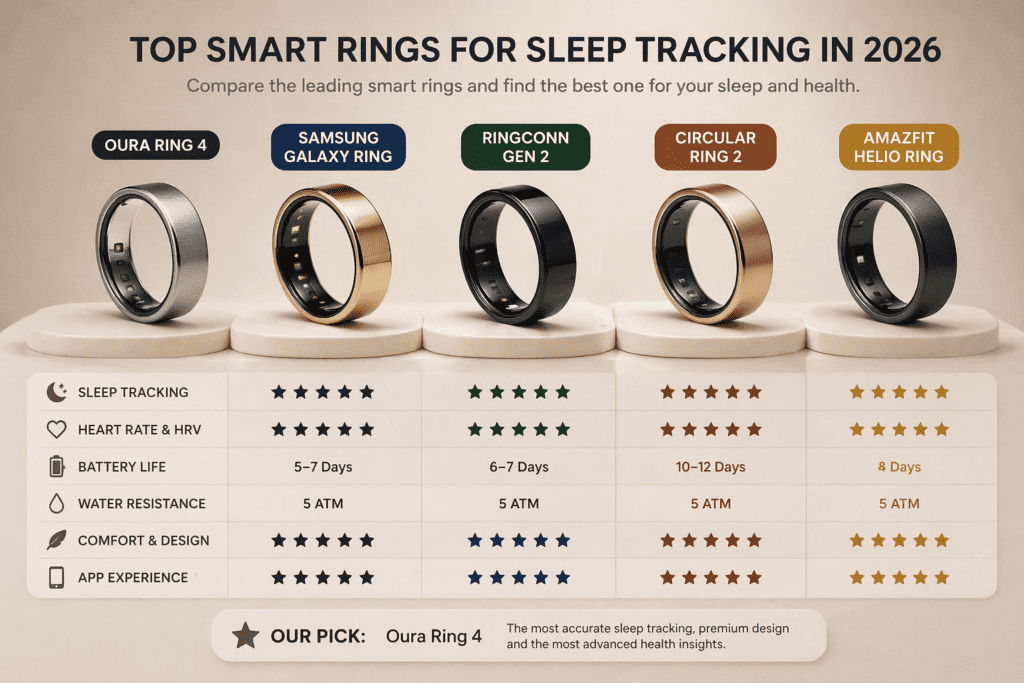
| Ring | Price | Battery | Subscription | iOS / Android | Best For |
|---|---|---|---|---|---|
| Oura Ring 4 | $349–$499 | Up to 8 days | $5.99/mo | ✓ / ✓ | Best overall |
| Samsung Galaxy Ring | $299–$399 | ~7 days | None | ✗ / ✓ | Best sleep tracking |
| RingConn Gen 2 | $299 | 10–12 days | None | ✓ / ✓ | Best battery + budget |
| Circular Ring 2 | ~$329 | ~7 days | None | ✓ / ✓ | Best ECG / AFib |
| Amazfit Helio Ring | ~$219 | ~4 days | None | ✓ / ✓ | Budget sleep-focused |
| RingConn Gen 2 Air | $199 | ~10 days | None | ✓ / ✓ | Best value, no fees |
1. Oura Ring 4 — The Benchmark
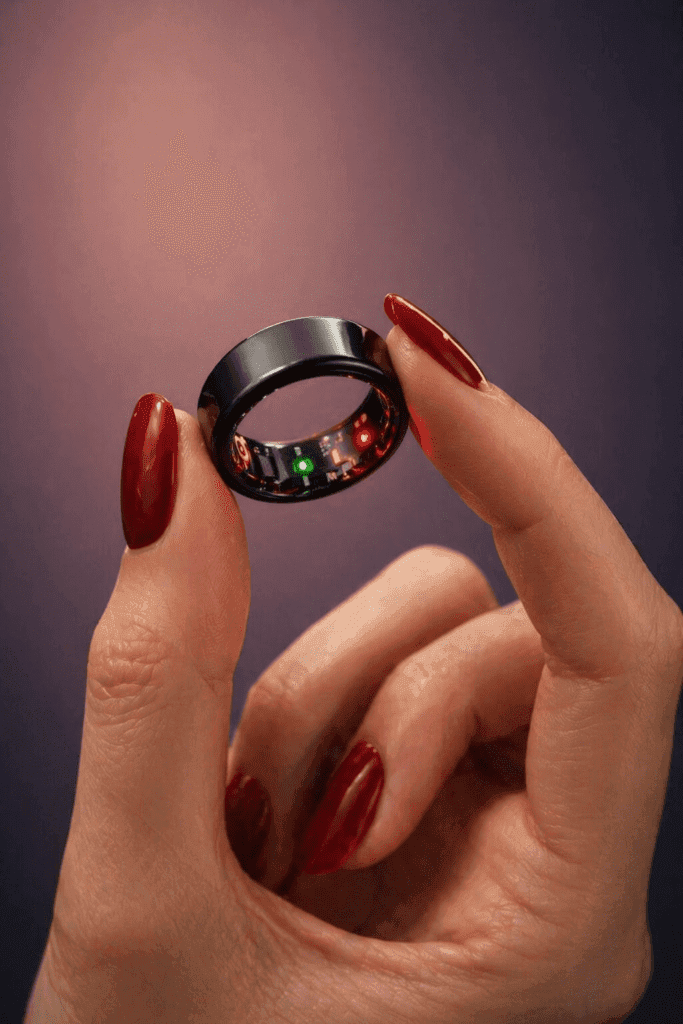
There’s a reason Oura keeps showing up at the top of these lists. The Ring 4 doesn’t just track sleep — it understands it, or at least gets closer to that than anything else on the market. Sleep staging is genuinely accurate, the app is the most refined experience in this category, and the readiness score actually means something once you’ve worn it for a few weeks and built up enough baseline data.
The subscription is the only real friction point. $5.99 a month isn’t bank-breaking, but when competitors are offering no-fee tracking, it starts to feel like an unnecessary tax on features you’ve already paid for in the hardware price. That said, the platform continuously improves — Oura now includes circadian rhythm alignment, cardio fitness age estimates, and a Symptom Radar feature that’s surprisingly good at flagging when something’s off before you consciously feel it. Oura now includes advanced features like circadian rhythm alignment and Symptom Radar, which you can explore in more detail on Oura’s official website.
It’s also the only ring that works natively on both iPhone and Android without ecosystem limitations, which matters if you switch phones or share notes with your doctor who uses a different platform.
2. Samsung Galaxy Ring — The Sleep Specialist
When Samsung entered the ring market, a lot of people expected a solid but slightly derivative product. What they actually delivered — at least on the sleep side — is genuinely impressive. Samsung’s focus was clearly on building something that excels at night, and it shows. The sleep data is detailed, the insights are presented clearly in Samsung Health, and the ring is comfortable enough that testers literally forgot they were wearing it during some testing periods.
There’s a real catch though: this ring is deeply embedded in the Samsung ecosystem. Full functionality — especially the AI-powered features and some of the advanced sleep analytics — requires a Samsung Galaxy phone. If you’re an iPhone user, this ring is essentially off the table. If you’re already deep in Samsung’s world, no subscription fee and strong Galaxy Watch integration make it a compelling package.
The portable charging case is a clever design touch. Unlike most rings that need to sit in a dock on your nightstand, the Galaxy Ring charges in a case you can toss in your bag, similar to how you’d charge wireless earbuds on the go.
3. RingConn Gen 2 — The Subscription-Free Champion
The RingConn Gen 2 solves the most annoying real-world problem with smart rings: you keep forgetting to charge them. With 10 to 12 days of battery life, you charge once at the start of the week and just… forget about it. That sounds minor. It isn’t. When your ring is consistently dead at 6am because you forgot to dock it, you stop wearing it. The Gen 2 takes that excuse away.
Sleep tracking is accurate for the price point — not quite at Oura’s level of stage-by-stage nuance, but good enough to give you meaningful insights on deep sleep, REM cycles, and recovery. The ring is also one of the lightest in this guide, coming in at just 2 to 3 grams depending on size, which matters when you’re trying to forget it exists at night.
The app is the main area where RingConn trails its premium competition. It works fine, but if you’re the type of person who loves getting deep into health data dashboards, you’ll find it a bit thin compared to Oura’s ecosystem. That said, for most people who just want to know “how did I sleep?” each morning, it’s completely sufficient.
4. Circular Ring 2 — The Medical-Grade Outlier
The Circular Ring 2 occupies a genuinely different niche from everything else on this list. It’s not trying to beat Oura at being Oura. Instead, it’s the only smart ring as of 2026 that includes physical ECG electrodes and has received FDA clearance for atrial fibrillation detection. If heart rhythm monitoring matters to you — or you have family history that makes AFib a real concern — this is the only ring in the world right now that can give you that kind of insight without a prescription device or a subscription fee.
The design also had a major overhaul from the previous generation. The original Slim was fine but looked homemade next to Oura or Samsung. The Ring 2 finally looks like a premium product, with a finish that rivals the category leaders. Circular also introduced an AI-powered digital sizing app that uses your phone camera to measure your finger before ordering, which reduces the sizing guesswork that plagues first-time ring buyers.
Sleep tracking is solid, though not as deeply analyzed as Oura. If your primary focus is pure sleep data depth, you’ll find the sleep interface functional but not exceptional. For anyone who wants both sleep tracking and genuinely medical-level cardiac monitoring in one ring, there’s nothing else that competes.
📊 Head-to-Head Scores
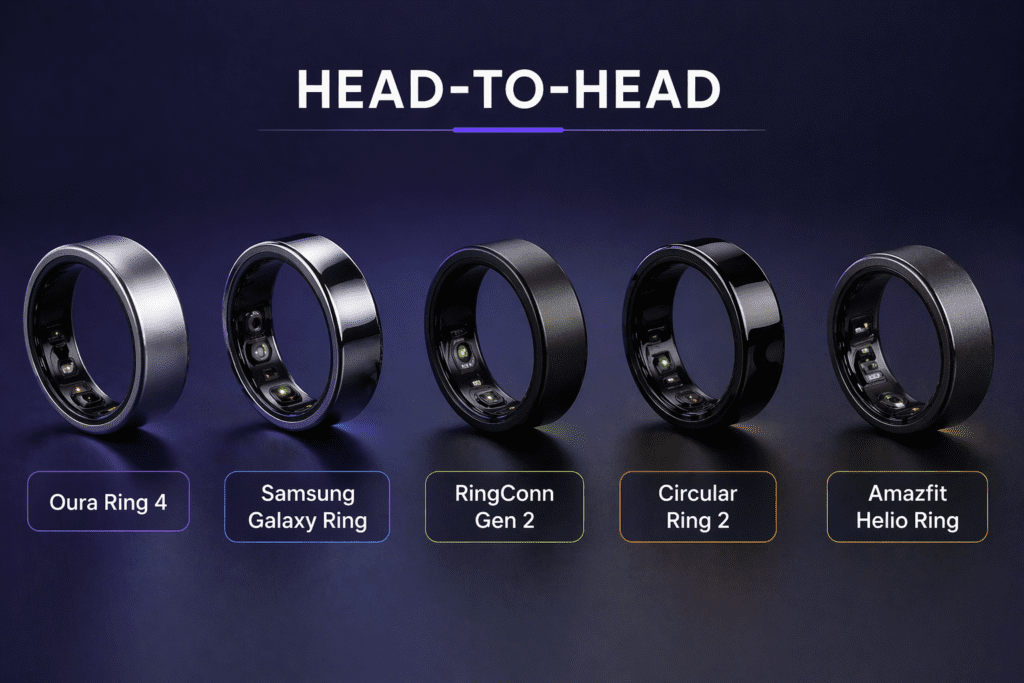
| Ring | Sleep Accuracy | App Quality | Battery Life |
|---|---|---|---|
| Oura Ring 4 | |||
| Samsung Galaxy Ring | |||
| RingConn Gen 2 | |||
| Circular Ring 2 | |||
| Amazfit Helio Ring |
🧭 How to Choose the Right Smart Ring
Here’s the thing about smart ring guides: half of them just tell you to buy the most expensive option and leave it there. That’s not actually helpful. The right ring depends on a few concrete questions you should ask yourself before spending $200 to $500 on a piece of metal.
-
1Are you an iPhone or Android user?All the major rings support Android. But if you’re on iPhone, the Samsung Galaxy Ring loses most of its premium features. Stick to Oura, RingConn, or Circular for full iOS functionality.
-
2Does a monthly subscription bother you?Oura charges $5.99/month on top of hardware cost. Over two years that’s an extra $143. If that’s a dealbreaker, RingConn Gen 2 gives you 90% of the experience with no ongoing fees whatsoever.
-
3Do you travel frequently?Go for RingConn Gen 2 or Gen 2 Air. A 10–12 day battery means you won’t scramble for a charger on a week-long trip. Most other rings need docking every 4–8 days.
-
4Do you have cardiac concerns?The Circular Ring 2 is the only ring with FDA-cleared ECG and AFib detection. If heart rhythm monitoring matters to you medically, nothing else in this category comes close.
-
5Do you want the deepest sleep data available?Oura Ring 4 wins here, full stop. The sleep staging accuracy, circadian rhythm alignment, and Symptom Radar are still industry-leading in 2026. Pay the subscription if this matters to you.
Smart Ring Data Is Not Medical Diagnosis
Every ring in this guide gives you health insights, not medical diagnoses. Even the Circular Ring 2’s FDA-cleared AFib detection is a screening tool — not a substitute for an ECG performed by a cardiologist. If your ring flags something unusual repeatedly, take it seriously enough to mention to your doctor, but don’t treat one night’s readiness score as clinical truth.
🎯 Final Verdict
If I had to tell someone to just pick one and stop overthinking it, I’d say this: if you’re on iPhone and want the best possible sleep data, get the Oura Ring 4 and accept the subscription as the cost of having the best app in the category. If you’re on Android and want to save money long-term with no fees, the RingConn Gen 2 is a genuinely impressive alternative that will serve most people just as well for daily sleep tracking. And if you have any reason to care about your heart rhythm beyond basic monitoring, the Circular Ring 2 is doing something no other ring does.
The smart ring market is genuinely exciting right now, even with the patent messiness in the background. These are real tools that, used consistently, can help you understand patterns in your sleep and recovery that would otherwise be invisible. That’s not nothing. In fact, for a lot of people, it turns out to be exactly what they needed.
Which smart ring is best for sleep tracking in 2026?
The Oura Ring 4 is currently the best smart ring for sleep tracking due to its accuracy, advanced sleep analysis, and strong app ecosystem.
Are smart rings more accurate than smartwatches for sleep tracking?
Yes, smart rings are often more accurate because they sit closer to blood flow points and are less intrusive during sleep.
Do smart rings require a subscription?
Some smart rings like Oura require a subscription, while others like RingConn and Circular offer full features without ongoing fees.